You don’t suck.
But there are moments in EFT when it really feels like you might.
If you are early in your EFT journey—or even years in—you may know this moment all too well. A session heats up fast. One partner escalates. The other shuts down. The cycle tightens. The room feels crowded with emotion, urgency, and expectation.
And then it happens.
Your attention turns inward—not with curiosity, but with a spike of anxiety.
“I should know what to do.”
“I’m missing something.”
“Why can’t I slow this down?”
“Maybe I’m not cut out for EFT.”
That internal turn is one of the most common—and least spoken about—experiences in EFT work. When sessions feel blocked or out of control, therapists don’t just feel anxious. In that moment, many develop a harsh, negative view of themselves. Confidence collapses. Self-criticism surges. And the therapist quietly becomes the next system under threat.
What’s important to know is this: this reaction makes sense.
EFT is emotionally immersive work. We invite clients into vulnerable, attachment-laden territory, and we step into it with them. When emotional intensity rises in the room, the therapist’s nervous system responds too. Anxiety, urgency, or self-doubt are not signs of incompetence; they are signs of engagement and care.
The problem isn’t that these feelings show up.
The problem is when therapists don’t know how to work with them.
Without guidance, anxiety often drives protective moves. Therapists may over-structure the session, push interventions too quickly, shift into teaching, or become overly directive. On the other end, they may freeze, go quiet, or emotionally disconnect. These responses are understandable attempts to manage distress, but they often increase disconnection in the room and quietly reinforce the therapist’s negative self-story.
This is where the EFT TANGO becomes essential—not only as a map for clients, but as a grounding structure for you, the therapist.
Using the TANGO internally begins with attunement: noticing your own emotional state without judgment. Simply naming, “I feel anxious right now,” can slow the system. From there, you can begin to recognize your protective responses and gently explore the beliefs underneath them—“If this doesn’t shift, I’m failing,” or “A good EFT therapist wouldn’t feel lost.”
In supervision, these moments are not problems to fix.
They are rich material.
EFCT supervision provides a secure base where we slow the work down together. Your internal experience is tracked with the same care you are learning to offer your clients. The TANGO is used with you—attending to your emotions, your protective moves, and your beliefs about competence and responsibility. Over time, anxiety softens. The negative self-view loosens its grip. Trust in the model—and in yourself—begins to grow.
You don’t just learn what to do next.
You learn how to stay present when it’s hard.
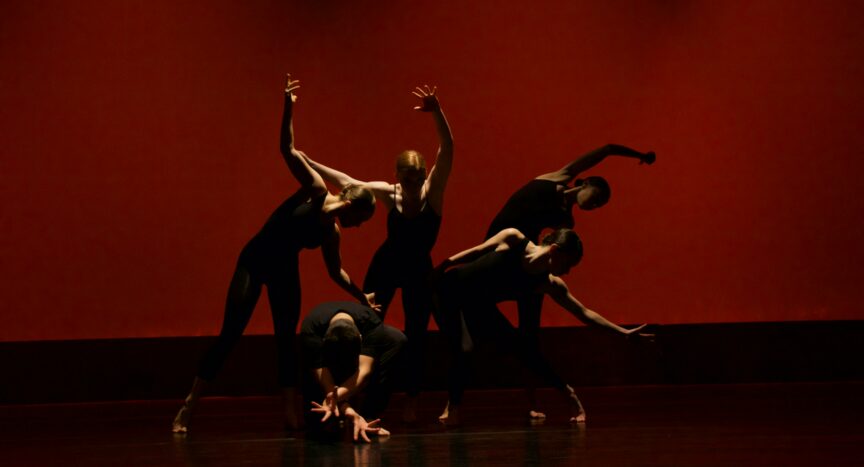
EFT is a dance. And like any real dance, you don’t learn it by reading the steps alone.
You learn it by staying on the floor when you lose the rhythm. By letting someone steady you when the music feels too fast. By discovering that getting lost is not failure—it’s part of learning how to stay.
Good EFT supervision offers that kind of space. A place where your nervous system can settle, your self-doubt can soften, and your confidence can grow from lived experience rather than pressure to perform.
This work is not about getting it right every time.
It’s about staying present when it’s hard.
Staying connected when anxiety rises.
And staying in the dance, together.
Enjoy the dance.
(Special thanks to Marcia Vickman for her feedback on this blog.)
Keith Bjorge, PsyD
Psychologist
Clinical Director, Cherry Hill
EFCT Therapist and Supervisor